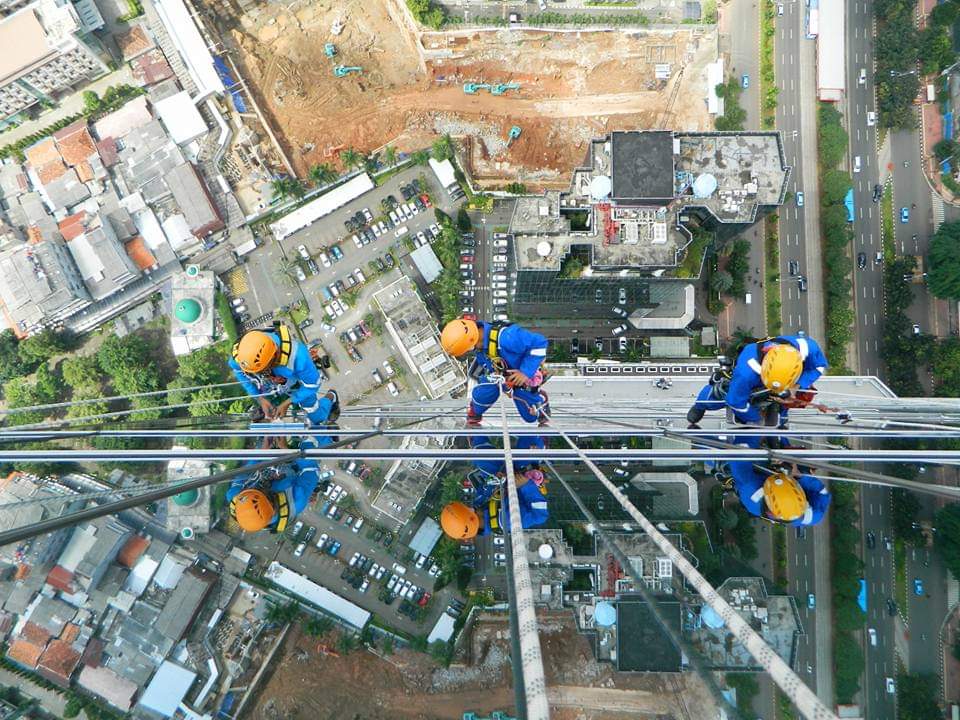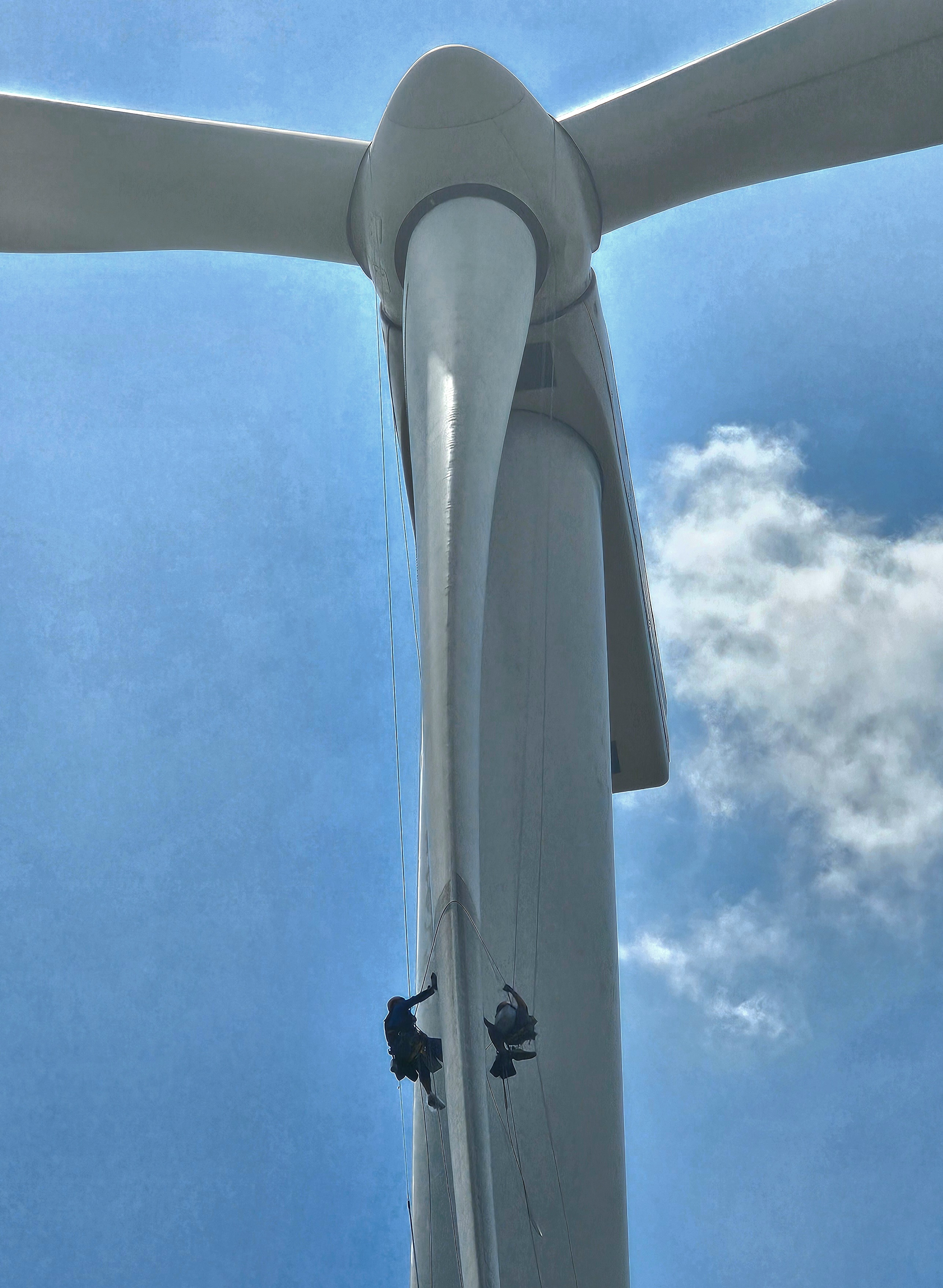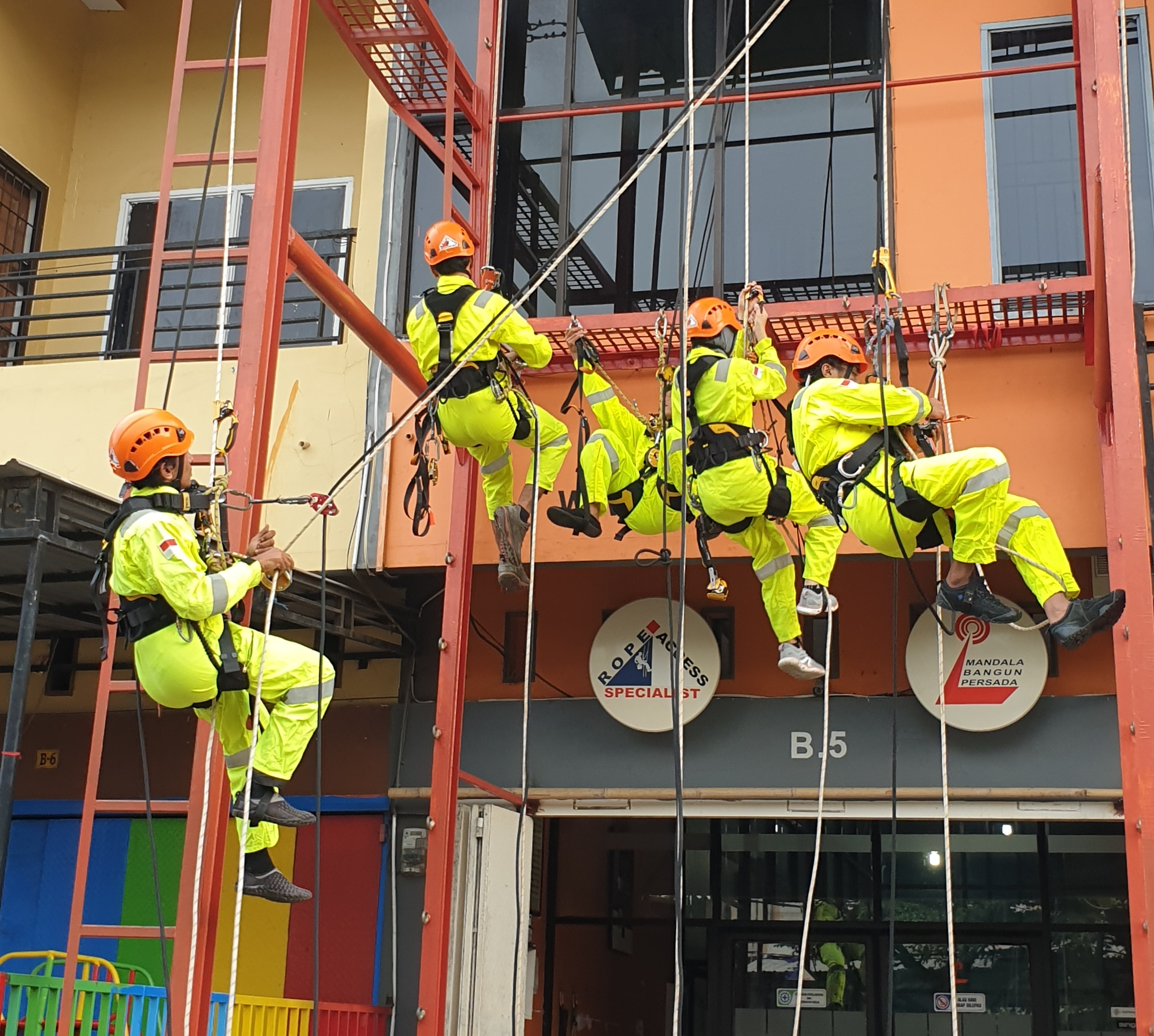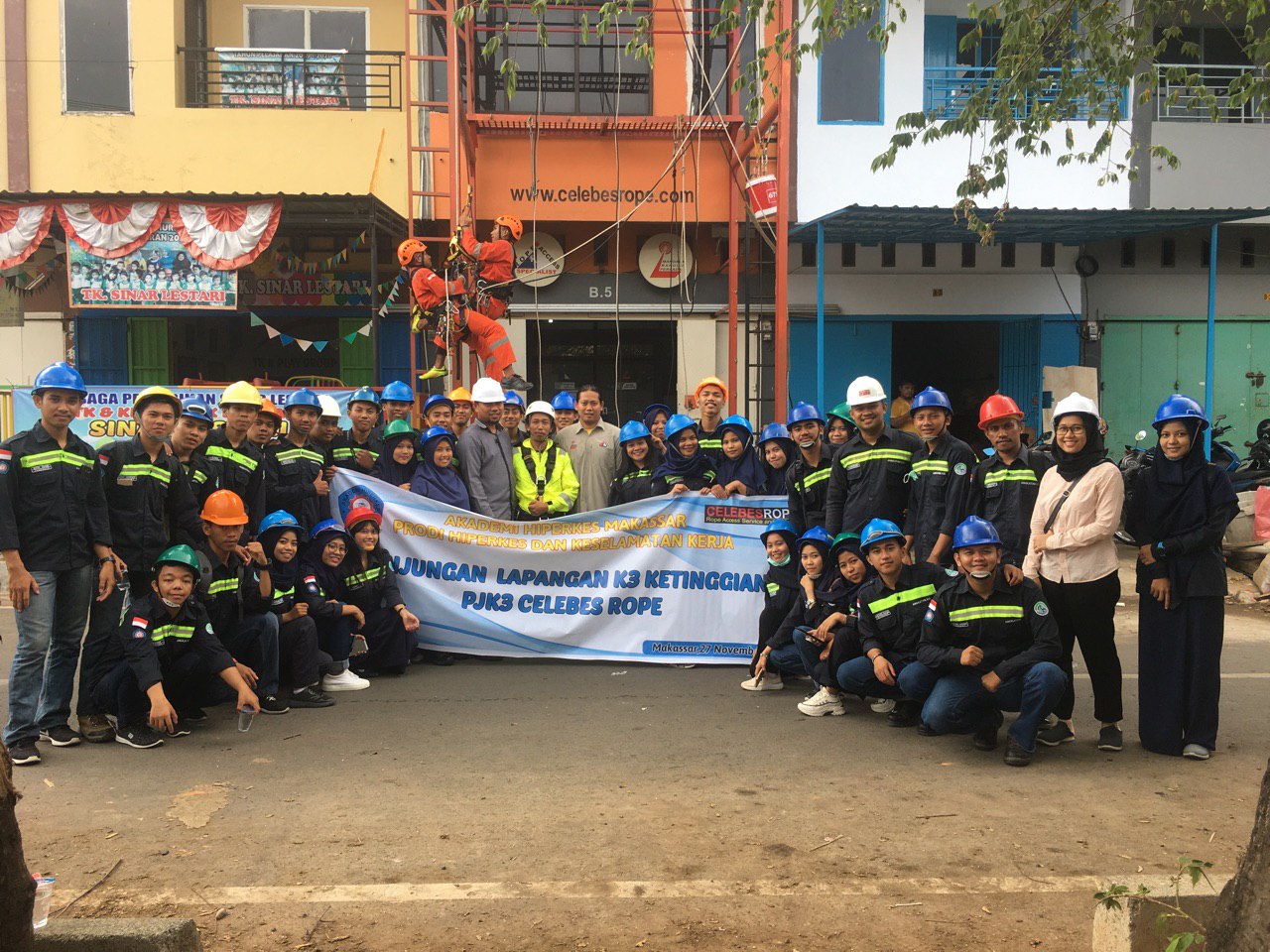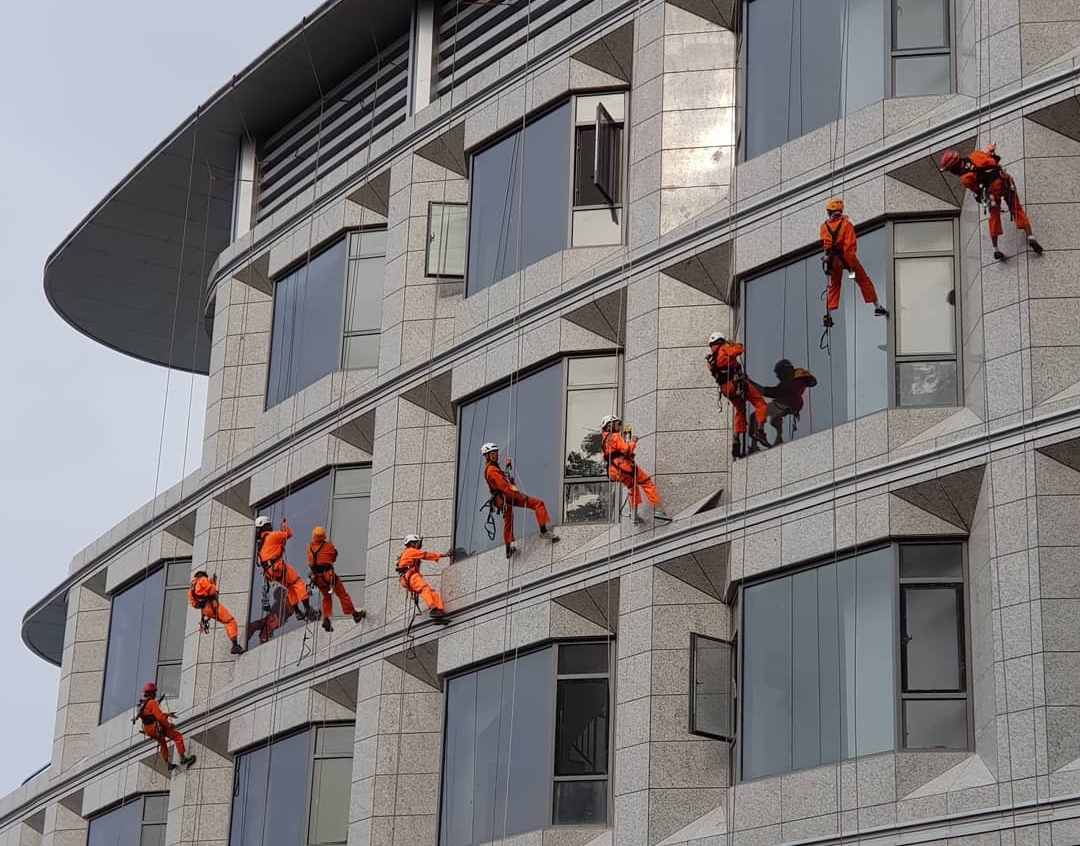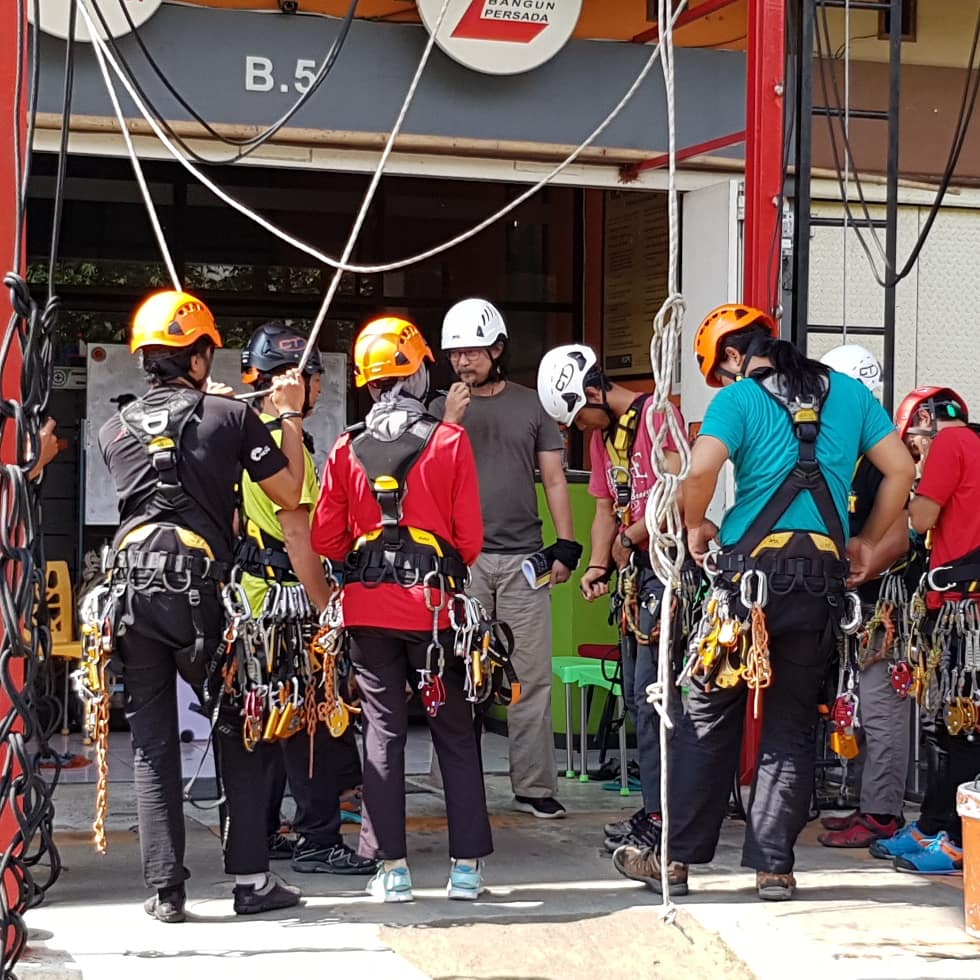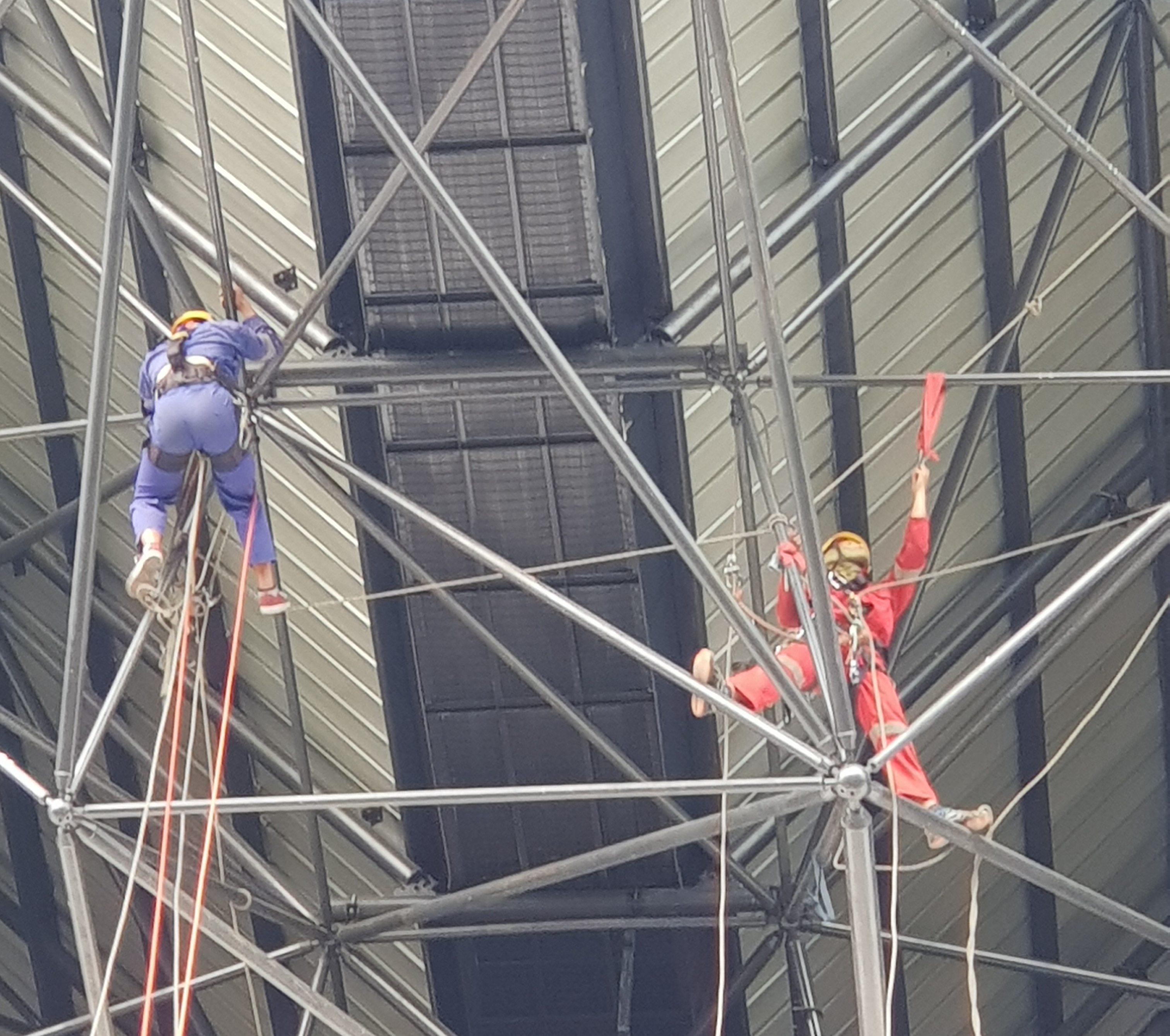
The most common risk is falling from heights, which can occur due to loss of balance, unstable footing, or the use of inappropriate personal protective equipment. In addition, there is a risk of objects falling from above, which can injure workers below. Environmental factors such as strong winds, slippery surfaces, bad weather, and inadequate lighting can also increase the potential for accidents. Other risks include equipment failure, such as damaged ropes, harnesses, or scaffolding, as well as worker fatigue or lack of concentration due to extreme working conditions.
TKPK (Tenaga Kerja Pelaksana Ketinggian) — Height Work Operator
TKPK refers to workers who perform tasks directly at height, such as installation, maintenance, or construction work on elevated structures. They are trained to use safety equipment properly, follow safety procedures, and work under supervision. The TKPK level focuses on practical skills and safe work practices to prevent accidents during height-related activities.
TKBT (Tenaga Kerja Bangunan Tinggi) — Height Work Technician/Supervisor
TKBT refers to workers or supervisors who have a higher level of knowledge and responsibility in managing and supervising work at height. They are trained not only to perform the work safely but also to plan, inspect, and supervise the use of safety systems, rescue procedures, and ensure compliance with K3 regulations.
Fall Arrest System
This system is designed to arrest or stop workers after they fall from a height. This means that if a worker loses their balance or slips, the fall arrest system will prevent them from falling further and minimize the impact of injury. Its main components include a full body harness, a lanyard with a shock absorber, and a strong anchor point. This system is used when there is a real risk of workers falling, such as when working on the edge of a building, tower, or roof without permanent protection.
Work Positioning System
This system is used to hold the worker's body in a stable position while working at heights, allowing the worker to use both hands freely for work. This system is not for fall arrest, but rather to maintain a safe and comfortable working position. Its components include a body harness, positioning rope, and anchor point, and it is typically used for jobs such as installation, maintenance, or painting on poles or vertical structures.
Elimination – The first and most effective step is to remove the need to work at height altogether. For example, performing tasks from the ground using extendable tools or assembling structures at ground level before lifting them into position.
Substitution – If elimination is not possible, replace the activity or method with a safer alternative. For instance, using mobile platforms or mechanical lifts instead of ladders.
Engineering Controls – Implement physical modifications or safety devices to reduce the risk of falls. Examples include installing guardrails, safety nets, toe boards, or fixed barriers around elevated work areas.
Administrative Controls – Develop and enforce safe work procedures, schedules, and training programs to reduce exposure to fall hazards. This includes limiting the time spent working at heights, assigning only trained personnel, conducting regular inspections, and implementing permit-to-work systems.
Personal Protective Equipment (PPE) – As the last line of defense, provide workers with appropriate PPE such as full body harnesses, lanyards, and fall arrest systems to minimize injury if a fall occurs.